
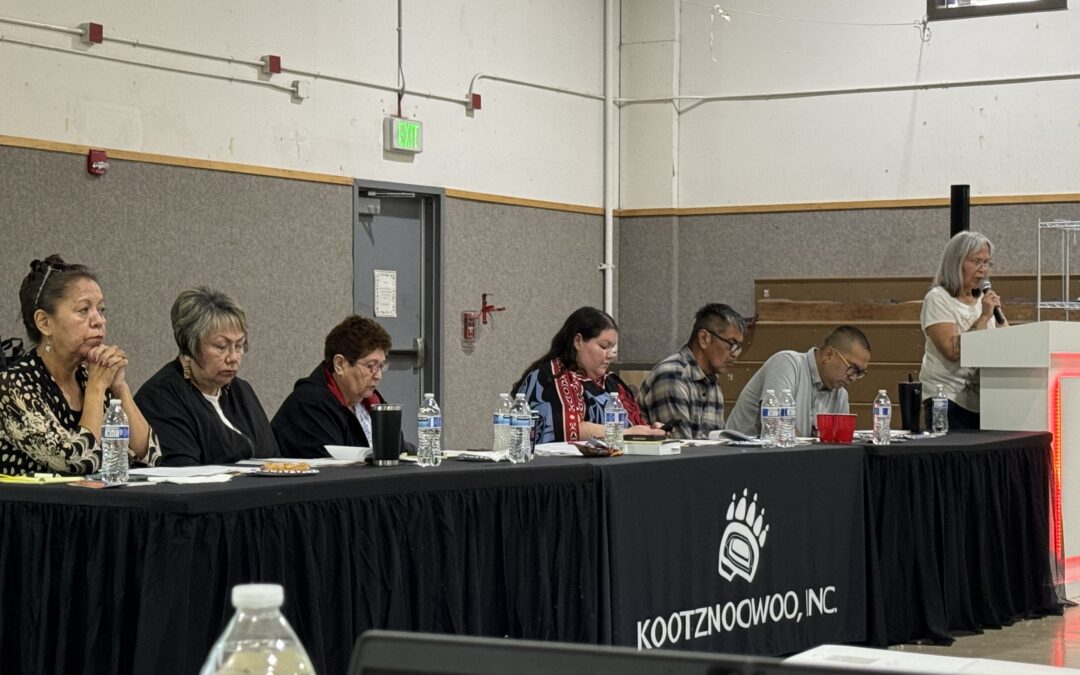
Boards of Directors play an important role in guiding the long-term success of the organizations they serve. For-profit businesses, nonprofit organizations, educational institutions, and many other organizations are governed by boards. Depending on the organization, board members may be elected, appointed, selected as trustees, or serve through other established processes.
While the structure of boards can vary, their fundamental purpose is generally the same: to provide governance, oversight, and strategic direction. A Board’s primary responsibilities may include setting strategic direction, establishing policies, safeguarding corporate assets, overseeing financial performance, evaluating and supporting the President & CEO, and making significant decisions that affect the future of the organization. Directors also have fiduciary duties and are expected to make informed decisions they believe are in the best interests of the organization they serve.
For a for-profit corporation, this includes maintaining a strong and sustainable business, pursuing opportunities for growth, protecting corporate assets, and creating long-term value for shareholders.
What a Board Does and Does Not Do
One of the most common misunderstandings about Board service is the difference between governance and management.
The Board does not manage the day-to-day operations of the organization, nor do directors serve as individual managers. The Board operates at a higher level where it establishes direction, provides oversight, asks important questions, and holds management accountable for organizational performance.
The responsibility for day-to-day operations belongs to the Chief Executive Officer. Board directors generally do not supervise employees, make routine operational decisions, or direct individual staff members.
Authority rests with the Board as a collective governing body. An individual director has one vote at the board table and does not have the authority to independently act or speak on behalf of the Corporation unless that authority has been specifically granted by the Board. In that case, that authority is usually given to the Chairman.
A strong governance structure keeps these responsibilities distinct: the Board determines where the organization is going, while management determines how to get there and oversees the daily work required to accomplish those goals.
Together, the Board and management work toward the same objective—building a strong and sustainable future for the organization.
The governance structure can be summarized simply:
- Shareholders elect the Board.
- The Board sets direction and provides oversight.
- Management runs the day-to-day business.
For Kootznoowoo, each of these parts plays an important role in the same long-term objective—protecting what has been entrusted to Kootznoowoo, building sustainable businesses and opportunities, and strengthening the Corporation for today’s shareholders and generations yet to come.
The Unique Role of an ANCSA Corporation Board
Boards of Alaska Native Corporations (ANCs) established under the Alaska Native Claims Settlement Act (ANCSA) have many of the same fundamental governance responsibilities as boards of other for-profit corporations. However, the environment in which they serve is unique.
ANCs are businesses, and their Boards must consider financial performance, growth, risk, investments, and the long-term health of the Corporation. At the same time, these corporations have a distinctive relationship with their Alaska Native shareholders and are stewards of lands and other assets that originated through ANCSA.
As a result, ANCs often balance traditional business objectives with broader, long-term priorities that may include protecting Native lands, creating economic opportunities, supporting shareholder programs and employment, and strengthening connections to culture and community.
Perhaps most importantly, ANCs must think in terms of generations, not simply business quarters. Each is intended to endure as a forever company, which means today’s decisions can have consequences for shareholders decades into the future.